


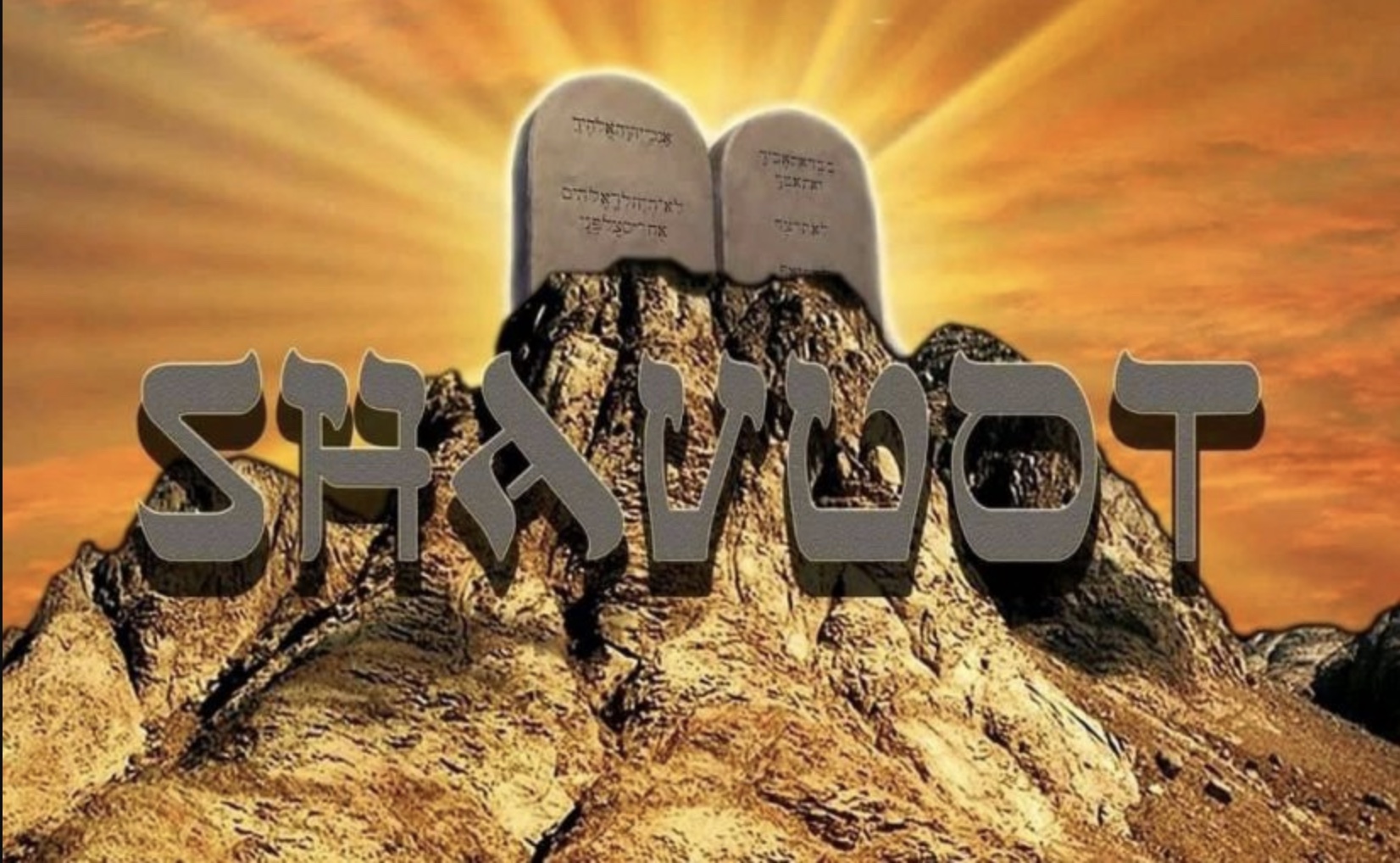
As the holiday of Shavuot approaches, we prepare ourselves once again to stand at Har Sinai together as one people. Shavuot is a time filled with meaning, gratitude, learning, and connection. We celebrate the giving of the Torah, stay up late immersed in study, gather with family and community, and fill our homes with the beauty and traditions that have connected the Jewish people for generations.
But Shavuot is also a reminder of responsibility.
When the Torah was given, it was not given only to the wealthy, the comfortable, or the fortunate. It was given to every Jew equally. We stood together—each person needed, each soul counted. That message continues today. A Jewish community is not measured only by its schools, synagogues, or celebrations. It is measured by how it cares for those who are struggling quietly behind closed doors.
Here at the Arizona Kosher Food Pantry, we see firsthand how many families are carrying burdens that others may never notice. Rising grocery prices, unexpected medical bills, job loss, housing instability, caring for children with special needs, or simply trying to make ends meet in an increasingly expensive world have left many families overwhelmed. And before every Yom Tov, that pressure becomes even greater.
For many families, preparing for Shavuot is not simply about deciding which cheesecake recipe to make. It is wondering how to afford milk, eggs, challah, fresh produce, or enough food for their children for the holiday and the days that follow. It is trying to maintain dignity while quietly worrying about empty cabinets.
That is where our community steps in.
The Arizona Kosher Food Pantry exists because no Jewish family should feel alone. Every donation, every volunteer hour, every bag packed, every ride given, every encouraging word—these acts matter more than people realize. What may seem small to one person can become life-changing to another.
Sometimes we think helping has to be grand or dramatic. But Judaism teaches us differently. True chesed is often found in the quiet acts no one else sees.
A grocery card slipped discreetly to a struggling parent.
A donation made before Yom Tov.
A volunteer sorting canned goods on a hot Arizona afternoon.
A teenager helping carry boxes.
A family choosing to give tzedakah together instead of spending on something extra for themselves.
These moments create something holy.
Shavuot itself teaches us this lesson beautifully. The Book of Ruth, which we read on Shavuot, is a story deeply rooted in kindness, loyalty, and caring for those in need. Ruth arrives vulnerable, poor, and uncertain about her future. Boaz notices her, protects her dignity, and ensures she has food to gather. The story reminds us that compassion is not an interruption to holiness—it is holiness.
We often imagine spirituality as something lofty: prayer, learning, deep conversations about Torah. And those things are indeed sacred. But there is also holiness in feeding a hungry family. There is holiness in making sure a child has food for Yom Tov. There is holiness in preserving another person’s dignity.
The Arizona Kosher Food Pantry is more than shelves of food. It is a reminder that our community chooses to see one another. It is a place where kindness becomes action.
And the truth is, the need continues to grow.
Many people are surprised to learn how many Jewish families experience food insecurity. Some are elderly individuals living on fixed incomes. Some are single parents doing everything they can to stay afloat. Some are families balancing therapies, medical expenses, tuition, and basic living costs. Others are people who never imagined they would need help and feel ashamed to ask for it.
But needing help is not weakness. One of the greatest strengths of a community is the willingness to support one another through difficult seasons.
This Shavuot, as we celebrate receiving the Torah, we can also ask ourselves an important question:
What does it truly mean to live Torah values?
It means caring for the widow, the orphan, the stranger, and the vulnerable. It means understanding that the blessings we have are not meant only for ourselves. It means recognizing that every act of generosity ripples outward farther than we may ever know.
A single donation may stock pantry shelves.
A single act of volunteering may lift someone’s spirits.
A single decision to help may restore hope to a family that has been struggling in silence.
And perhaps most importantly, it teaches our children what kind of community we want to build.
Children notice more than we think. They watch how adults respond to need. They see whether we turn away or lean in. When they watch their parents donate food, volunteer time, or speak compassionately about helping others, they learn that Judaism is not only something we study—it is something we live.
Especially during Shavuot, this lesson matters deeply. The Torah was never meant to remain words on a page. It was meant to shape who we become.
As we gather around our Yom Tov tables this year, surrounded by family, learning, laughter, and tradition, may we also remember those who are still struggling. May we open not only our homes but our hearts. May we continue building a community where no one feels forgotten and where dignity and compassion remain at the center of all we do.
To everyone who has donated, volunteered, shared our mission, packed boxes, delivered food, or supported the Arizona Kosher Food Pantry in any way—thank you. Your kindness reaches farther than you know. You are helping create a stronger, more caring Jewish community here in Arizona.
And to those who may be considering helping for the first time, there is no contribution too small. Every act of generosity matters.
This Shavuot, may we merit not only to receive the Torah again, but to truly live its values—with open hands, open hearts, and a commitment to caring for one another.
Chag Sameach from all of us at the Arizona Kosher Food Pantry.
